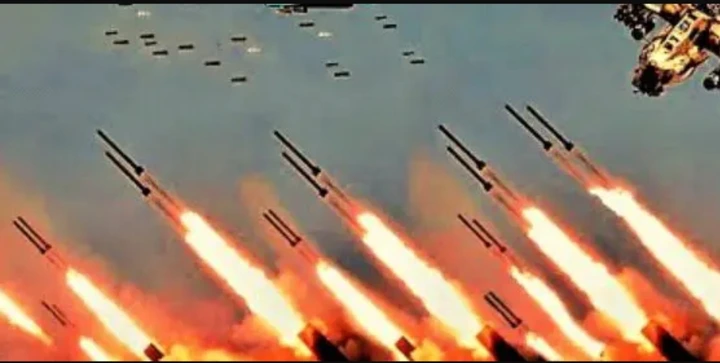
The Israel Defense Forces (IDF) has confirmed that roughly half of the ballistic missiles fired by Iran toward Israel during the latest escalation were equipped with cluster warheads, a development that has raised serious concerns among military analysts and humanitarian observers.
According to Israeli military officials, the missiles were part of a large-scale attack launched by Iran amid intensifying regional tensions. The IDF reported that its air defense systems, including the well-known Iron Dome and other interception platforms, managed to intercept many of the incoming projectiles. However, the revelation that a significant portion of the missiles carried cluster-type payloads has sparked alarm due to the potential for widespread damage and civilian casualties.
Cluster warheads are designed to release multiple smaller explosive submunitions over a wide area once the missile reaches a certain altitude. These submunitions scatter across the target zone, increasing the likelihood of hitting multiple targets simultaneously. Military experts warn that such weapons can pose long-term risks because unexploded bomblets may remain on the ground and detonate later when disturbed.
Israeli defense officials stated that early analysis of intercepted missile debris and intelligence assessments led to the conclusion that about 50 percent of the Iranian missiles were configured with these cluster-style payloads. The IDF emphasized that the use of such warheads significantly complicates interception efforts because the submunitions disperse over a large area once the missile breaks apart.
Emergency services across several regions of Israel were placed on high alert following the attack. Authorities urged residents in targeted areas to remain in shelters while bomb disposal teams inspected impact zones for unexploded fragments.
Military analysts say the alleged use of cluster-equipped ballistic missiles marks a potentially dangerous shift in the tactics used in the ongoing confrontation. The wider dispersal pattern of cluster munitions can increase damage across populated areas, making defensive responses more challenging.
Meanwhile, international observers are closely monitoring the situation as tensions between Israel and Iran continue to escalate. Diplomatic calls for restraint have intensified, with several global leaders urging both sides to avoid further escalation that could destabilize the wider Middle East.
As investigations continue, the IDF has stated it will release additional details once further analysis of the missile remnants and attack patterns is completed. The latest development underscores the growing intensity of the conflict and the increasing sophistication of weapons being deployed in the region.