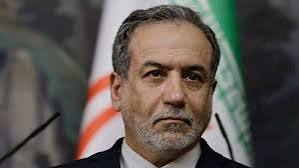
Iran’s Foreign Minister Abbas Araghchi has issued a strong warning following what Tehran claims was a U.S. strike on a key civilian facility, describing attacks on the country’s infrastructure as a “dangerous move with grave consequences.”
In a sharply worded statement released on Saturday, Araghchi accused the United States of carrying out a missile strike on a freshwater desalination plant located on Qeshm Island, a strategic Iranian island in the Persian Gulf. According to Iranian officials, the facility supplied drinking water to dozens of nearby communities.
Araghchi condemned the attack as a “blatant and desperate crime,” saying the destruction of the plant disrupted the water supply to roughly 30 villages in the region. He argued that targeting civilian infrastructure crossed a serious line and could dramatically escalate the already volatile conflict in the Middle East.
“The United States committed a blatant and desperate crime by attacking a freshwater desalination plant,” Araghchi said. “Attacking Iran’s infrastructure is a dangerous move with grave consequences. The U.S. set this precedent, not Iran.”
The warning comes amid rapidly intensifying tensions between Iran and a U.S.–Israel military alliance, with both sides exchanging threats and military actions across the region. Iranian authorities argue that strikes on infrastructure such as water facilities risk creating humanitarian crises and destabilizing entire communities.
Officials in Tehran also warned that targeting essential services like desalination plants could have far-reaching regional consequences, especially in the Gulf where many countries rely heavily on similar facilities for drinking water.
While Washington has not publicly confirmed the alleged strike, the accusation has fueled fears that the conflict may widen beyond military targets to include critical infrastructure — a development analysts say could dramatically raise the stakes of the confrontation.
Iranian leaders have vowed that any continued attacks on the country’s infrastructure or civilian resources will not go unanswered, signaling that the crisis between the two sides may be entering a far more dangerous phase.