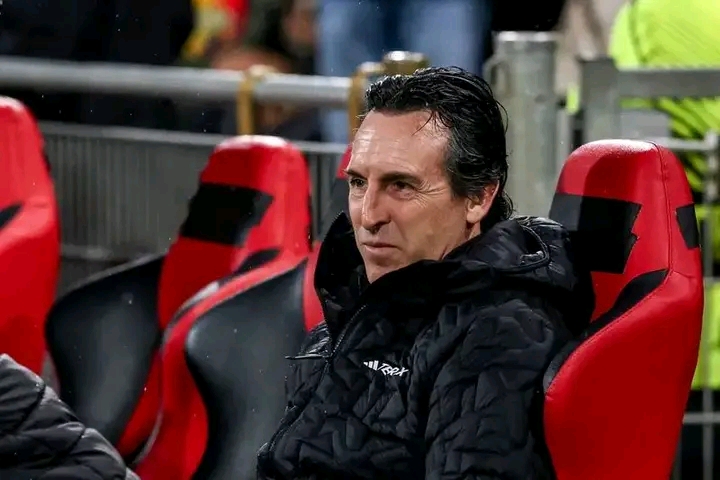
That’s football. Everyone comes and goes. It was difficult to let him leave! Unai Emery reveals the person he was not happy to see leave Aston Villa. You won’t believe who he named!
Managing a Premier League football club often requires making painful sacrifices, and Unai Emery has experienced firsthand the strict financial balancing act required to navigate modern Profitability and Sustainability Rules (PSR). Since taking the reins at Aston Villa, the Spanish tactician has transformed the Midlands side into a dominant force, elevating the squad from mid-table struggles to regular European contenders. However, behind the scenes, maintaining that elite standard while satisfying strict financial regulations has forced Villa’s hierarchy into making tough squad adjustments that Emery himself was deeply reluctant to sanction.
While supporters often obsess over star forwards or influential midfielders moving on during dynamic transfer windows, Emery surprised many by pointing out that off-field personnel and key tactical architects can be just as difficult to replace. The emotional complexity of squad evolution hit home as Emery reflected on the painful reality of losing trusted allies whose contributions behind closed doors directly powered Villa’s rise. “That’s football. Everyone comes and goes. It was difficult to let him leave!” Emery candidly acknowledged when discussing the structural shifts and squad overhauls forced by modern financial fair play restrictions.
The person Emery was so reluctant to see depart was key sporting director Monchi, whose pivotal role behind the scenes helped shape Villa’s transfer strategy and long-term vision. Having worked alongside Monchi during an iconic era at Sevilla, Emery relied heavily on their shared football philosophy and roster-building expertise. However, financial pressures and restructuring forced the dynamic duo apart, leaving Emery to navigate transfer windows under new operational parameters. The revelation serves as a stark reminder that in elite football, financial fair play doesn’t just claim star players on the pitch—it can disrupt the vital relationships that power a club from the boardroom.