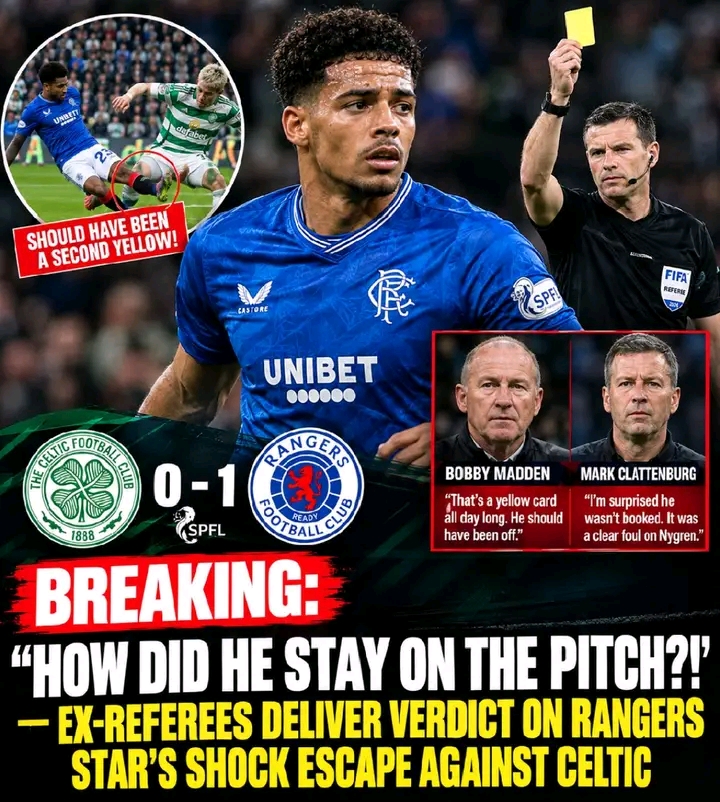
The headline claiming Rangers FC has officially been named the “most cheating club in the world” by a governing body or international authority is a classic piece of internet sensationalism. While no official organization or global football panel has ever issued such a title, the dramatic claim stems from long-standing, heated debates surrounding the club’s past financial controversies. Opponents and internet commentators frequently use exaggerated labels to describe the turbulently documented history of the Ibrox side, but these viral graphics represent fan rivalries rather than any legitimate global ranking.
The origin of these persistent accusations dates back to the high-profile financial crisis and subsequent liquidation of the original company operating Rangers in 2012. During the 2000s, the club utilized Employee Benefit Trusts (EBTs) to pay players and staff, a scheme that eventually led to a massive legal battle with tax authorities. Critics and rival supporters argued that by avoiding tax liabilities through these unregistered side letters, the club gained an unfair advantage on the pitch, allowing them to attract and retain elite talent they otherwise could not afford. While courts ultimately ruled against the tax scheme, official football inquiries concluded that the club did not intentionally break competition registration rules to field ineligible players.
Despite the legal resolution and the club’s rebuild through the lower tiers of Scottish football, the “cheating” narrative remains a popular talking point among rival fanbases. Online forums and sensationalized social media accounts frequently reframe historical financial disputes into sensational headlines to generate clicks and spark emotional reactions. These posts deliberately blur the lines between actual sports governance decisions and inflammatory fan commentary, transforming complex fiscal history into dramatic clickbait statements.
Ultimately, football fans should treat extreme claims of official declarations with a healthy degree of skepticism. No official football authority, from UEFA to FIFA, has ever labeled any team as the “most cheating club in the world.” Modern football media thrives on outrage and tribalism, making exaggerated quote graphics and clickbait headlines a common sight. For Rangers, the reality lies in a complex chapter of Scottish football history that ended over a decade ago, rather than any ongoing global condemnation.