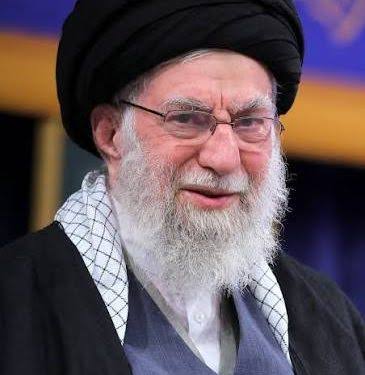
Tehran, Iran — In a momentous and deeply consequential development, Iran’s long-time Supreme Leader Ayatollah Ali Khamenei has died at the age of 86, state media and multiple international sources have confirmed. (Apa.az)
Khamenei’s death — announced by Iranian state broadcasters and acknowledged by world leaders — comes amid an ongoing conflict involving major military strikes on Iranian territory. Officials within Iran declared a period of national mourning and described the late leader’s passing as reaching “martyrdom” after decades at the helm of the Islamic Republic. (Apa.az)
Legacy of a Long-Serving Leader
Ayatollah Ali Khamenei had been Iran’s supreme ruler since 1989, wielding ultimate authority over the country’s political, military and religious institutions for more than three decades. Under his leadership, Iran maintained a theocratic system that resisted Western influence, supported proxy forces in the Middle East, and faced persistent internal dissent. (Gulf News)
Known for his staunch opposition to the United States and Israel, Khamenei played a central role in shaping Iran’s foreign policy and regional strategy. Domestically, his rule saw both strict enforcement of conservative social policies and violent suppression of periodical protests. (Khaleej Times)
National Mourning and Regional Repercussions
Iran has entered a period of official mourning, with state media broadcasting tributes and religious observances. Black mourning banners and images of Khamenei have been displayed across the country as officials lead ceremonies honoring his life and legacy. (Apa.az)
Reactions inside Iran are mixed, with state-organized mourners gathering to pay respects while segments of the population voice uncertainty or even relief over the leadership change. The nation is also facing continuing security challenges, including conflict-related disruptions and heightened regional tensions. (Reuters)
Succession and the Path Forward
Officials have already begun discussions about what comes next for Iran’s leadership. Under the Iranian constitution, a new Supreme Leader is chosen by the Assembly of Experts — a clerical body tasked with selecting the nation’s top religious and political authority. Early speculation identifies several possible figures, including senior clerics and influential political leaders, but no successor has yet been confirmed. (Reuters)
The transition comes at a critical juncture, as Iran navigates both internal uncertainty and escalating tensions with global powers. British, American and allied officials have publicly commented on the situation, warning of further regional instability. (Reuters)
Global and Domestic Reactions
Across the world, leaders are responding with mixed messages — from calls for restraint to concerns about how Iran might react militarily in the wake of Khamenei’s death. Meanwhile, within communities that look to Khamenei for spiritual leadership, such as sections of Nigeria’s Shia population, mourning gatherings are taking place. (Al Jazeera)
If you’d like, I can provide a concise timeline of the key events that led up to the confirmation of Khamenei’s death and what is expected next for Iran’s political future.