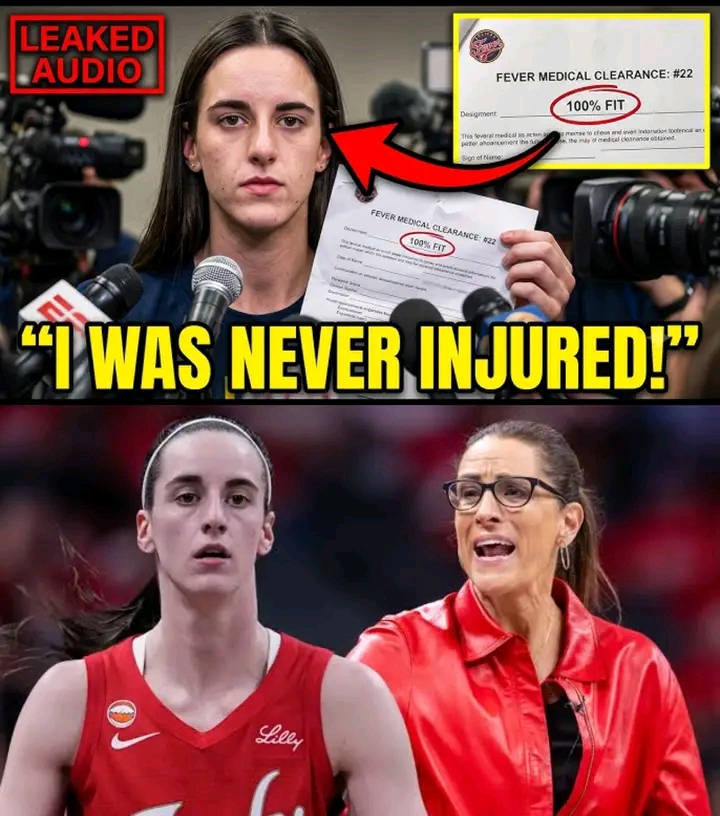
The conversation surrounding Caitlin Clark and the Indiana Fever took another dramatic turn after the star guard publicly indicated that she was feeling physically strong, only for the team to later announce that she would miss action for rest-related reasons. The timing of the decision immediately fueled discussion among fans and commentators who struggled to reconcile Clark’s optimistic comments about her condition with the organization’s subsequent update regarding her availability. For many supporters, the development created confusion rather than clarity, especially given Clark’s importance not only to the franchise but also to the league’s growing popularity.
Much of the reaction centered on the perception that communication between the organization and the public lacked consistency. Professional sports teams routinely manage player workloads and monitor fatigue levels throughout a demanding season, but fans often expect transparency when decisions involve a player of Clark’s stature. Because she had recently spoken positively about how she was feeling physically, the announcement led many observers to wonder whether the team was being overly cautious or whether there were additional factors influencing the decision that had not been fully explained.
The debate quickly spread across social media platforms, where supporters questioned whether resting one of the league’s biggest attractions was the right move at such a crucial stage of the season. Clark has become far more than a talented rookie or young star; she has emerged as one of the defining faces of modern women’s basketball. Attendance figures, television audiences, and media attention have all followed her arrival to the professional ranks, making every decision involving her playing status a subject of national discussion rather than a routine team update.
Critics of the decision argued that basketball players often benefit from maintaining a consistent rhythm during the season, particularly when they are carrying major offensive responsibilities. Some fans expressed concern that frequent interruptions to playing time can affect timing, chemistry, and momentum on the court. Others, however, pointed out that modern sports science places increasing emphasis on long-term player health, making preventative rest strategies more common than they were in previous generations of professional basketball.
Head coach Stephanie White inevitably found herself at the center of the discussion, with sections of the fanbase directing frustration toward the coaching staff and team leadership. While there has been no indication that the decision was made unilaterally by any individual, public reaction often gravitates toward visible figures within an organization whenever controversial choices are made. As a result, White faced criticism from supporters who believed Clark should have remained in the lineup if she genuinely felt capable of competing.
At the same time, others defended the coaching staff and front office, arguing that athletes do not always have complete information regarding their own recovery needs or workload management. Teams regularly rely on medical evaluations, performance data, and internal assessments that are not shared publicly. From that perspective, resting a player who feels healthy can sometimes be viewed as a proactive measure designed to prevent future problems rather than respond to existing ones.
Regardless of which side of the debate fans supported, the situation highlighted the extraordinary level of attention surrounding Clark’s career. Few players in any sport generate such immediate reactions to routine roster updates, and that reality reflects the enormous influence she has already established at both the franchise and league levels. Every coaching decision, substitution pattern, and injury report involving Clark is now examined with an intensity normally reserved for championship veterans and global sporting icons.
For the Indiana Fever, the larger challenge moving forward may not simply be managing Clark’s minutes but managing expectations surrounding every decision connected to their superstar guard. Supporters want transparency, consistency, and a clear vision for how the organization plans to balance short-term success with long-term development. Whether the rest decision ultimately proves beneficial or unnecessary, it has already become another example of how closely the basketball world is watching every move made by the franchise and its most recognizable player.