Every professional sports organization operates with an unwritten understanding that extends far beyond wins and losses on the court. Teams can endure difficult rebuilding periods, management can make unpopular roster moves, and coaches can experiment with strategies that fail to produce immediate results. Fans may criticize those decisions, but loyalty often survives disappointing seasons and frustrating performances. What supporters rarely tolerate, however, is the feeling that their voices, passion, and commitment are being dismissed by the very people entrusted with leading the franchise.
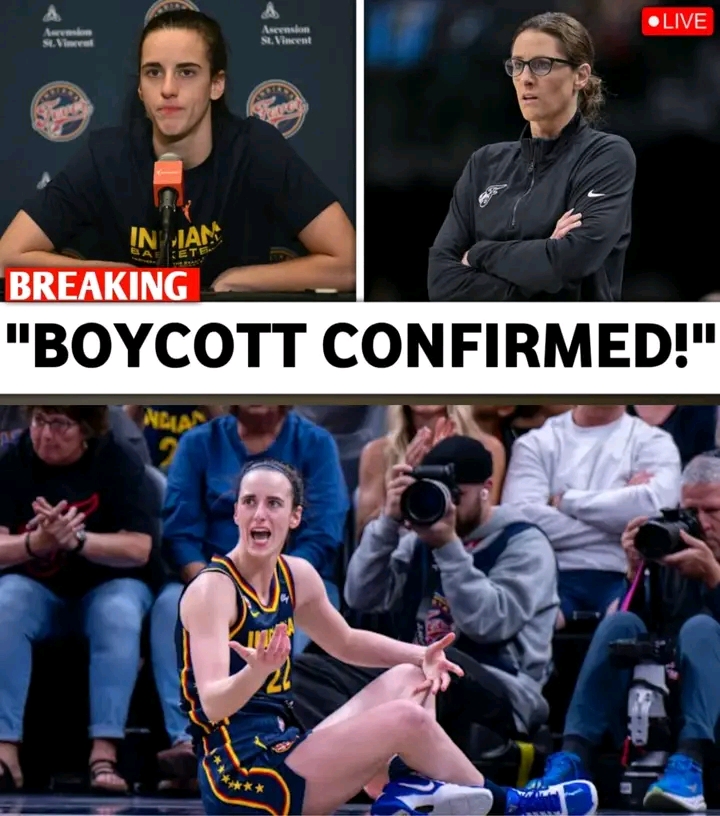
That reality appears to be at the center of the latest controversy surrounding the Indiana Fever, where emotions among supporters have reached a boiling point following comments attributed to head coach Stephanie White. The reaction was swift and intense, particularly among followers of Caitlin Clark, whose arrival transformed not only the franchise but also the visibility and commercial strength of the entire league. Many supporters interpreted the remarks as a criticism aimed not simply at isolated behavior from a small group of individuals, but at the broader fan community that has invested enormous energy, money, and attention into the team’s success.
Professional sports franchises depend on a delicate relationship between organizations and their supporters. Ticket sales, merchandise purchases, television ratings, sponsorship growth, and social media engagement all originate from the enthusiasm of fans willing to dedicate their time and resources to following a team. That support becomes even more valuable in leagues experiencing rapid expansion and increased public attention. For that reason, many observers believe team executives and coaches must exercise extreme care when discussing their fan base, especially during periods of heightened media scrutiny.
The controversy surrounding these comments has grown larger because of the unique role Caitlin Clark plays within the current basketball landscape. Since entering the professional ranks, Clark has attracted unprecedented interest, bringing new viewers to games and introducing countless first-time fans to women’s basketball. Arenas have filled, television audiences have surged, and merchandise sales have climbed dramatically. Whether supporters follow the Fever specifically or simply tune in to watch Clark play, her influence on the sport’s popularity has become impossible to ignore.
As frustration spread online, discussions quickly evolved from criticism of the comments themselves to broader concerns about the relationship between the organization and its supporters. Some fans expressed disappointment, arguing that they felt unfairly characterized despite their continued support through victories and defeats alike. Others questioned whether the franchise fully appreciates the significance of the audience growth and financial momentum generated over the past year. Social media platforms soon became flooded with debates, reactions, and demands for clarification from the organization.
From a business perspective, situations like this can become far more serious than a temporary public relations challenge. Modern sports teams operate in an environment where perception often carries as much weight as performance. Negative headlines can influence sponsorship opportunities, affect brand partnerships, and damage the emotional connection that encourages fans to remain invested for years. Organizations therefore spend enormous effort protecting those relationships, knowing that trust can take years to build and only moments to weaken.
The debate also highlights the growing complexity of managing passionate fan communities in the digital era. Every statement made by a coach, executive, or player is instantly analyzed, shared, and interpreted by millions of people online. Words that might once have disappeared after a press conference can now dominate news cycles for days, generating countless opinions and narratives. Leaders in professional sports are increasingly expected to communicate with precision, understanding that even unintended messages can produce major consequences.
Regardless of where individuals stand on the controversy itself, the episode serves as another reminder of the powerful role supporters play in shaping modern sports. Fans are not merely spectators occupying seats in an arena; they are stakeholders whose passion fuels the growth and sustainability of every league and franchise. When that relationship becomes strained, rebuilding confidence often proves far more difficult than correcting mistakes made on the court. How the Indiana Fever chooses to respond in the coming days may ultimately determine whether this remains a temporary dispute or evolves into a lasting challenge for the organization.