As the Indiana Fever faced the Los Angeles Sparks on Saturday, June 27, 2026, without superstar Caitlin Clark sidelined by a back injury, WNBA organizers are confronting renewed questions about the league’s surging popularity and its heavy reliance on one transcendent talent.
Clark, who exited Wednesday’s game against the Phoenix Mercury with the injury, was ruled out for the home matchup at Gainbridge Fieldhouse. Coach Stephanie White emphasized Clark’s long-term health as the priority, noting “she’s OK” but providing no clear timeline for her return. The Fever still secured a convincing 111-87 victory, but the spotlight shifted quickly from the scoreboard to the television ratings and attendance implications.
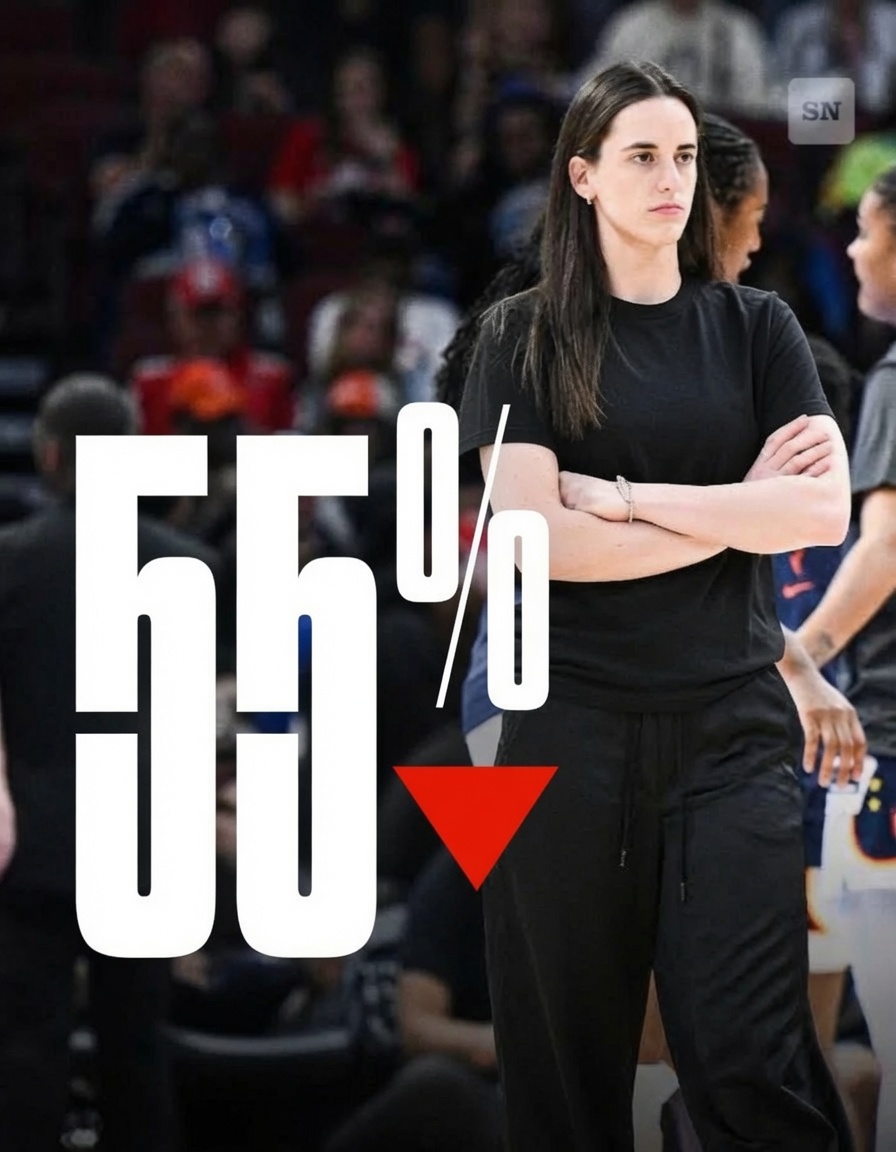
Historical data underscores the alarm. During Clark’s previous injury absences in 2025, nationally televised WNBA viewership plummeted by as much as 55%, with Fever games seeing drops of around 53%. Non-Clark Fever broadcasts on networks like NBA TV averaged roughly 40% fewer viewers in some cases. While overall league growth persists compared to pre-Clark eras, the “Clark Effect” remains unmistakable: games featuring her routinely shatter records, drawing millions more casual fans to women’s basketball.
League executives have worked hard to broaden the sport’s appeal beyond any single player, highlighting stars like A’ja Wilson, Breanna Stewart, and rising talents on teams like the Sparks. Yet the numbers tell a persistent story. High-profile matchups without Clark often see significant dips, raising concerns about sustained sponsorships, media rights deals, and ticket sales. Organizers worry that the boom Clark ignited in 2024—fueled by her record-breaking college career and electric playmaking—could prove fragile if injuries continue to limit her availability.
This latest absence comes amid Clark’s ongoing injury challenges. She missed substantial time last season, and questions about load management and physical durability have intensified. Fans and analysts alike express frustration, with many viewing Clark as the league’s primary gateway for new audiences. Her logo threes, no-look passes, and competitive fire have transcended the sport, drawing in viewers who previously ignored the WNBA.
For organizers, the Sparks game serves as a microcosm of larger vulnerabilities. While the league celebrates deeper parity and improved play, the viewership drop reinforces a uncomfortable truth: Caitlin Clark remains the biggest driver of mainstream interest. As the WNBA navigates its next media cycle and potential expansion, the priority must be protecting their marquee star while building a more resilient fanbase.
The Fever’s win without her offers hope for roster depth, but the real test lies in whether the league can maintain momentum during her recovery. With Clark’s health paramount, organizers face a delicate balancing act: capitalize on her stardom without becoming overly dependent on it. The coming weeks will be telling for a league riding high but undeniably tethered to its brightest light.