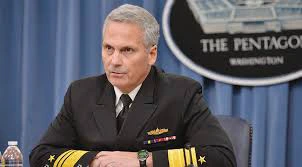
Tensions surrounding Iran’s missile program have intensified following fresh remarks by defense analyst Syring, who suggested that Tehran’s growing long-range strike capabilities may not be entirely homegrown. According to Syring, the possibility that Iran has relied on North Korean technology is “not surprising,” given a long history of suspected cooperation between the two nations.
Iran’s missile arsenal already reflects this connection. Systems like the Shahab-3, one of Tehran’s most well-known medium-range ballistic missiles, are widely believed to be derived from North Korea’s Nodong missile design. Similarly, other missile variants in Iran’s inventory trace technological roots to earlier North Korean and even Soviet-era platforms, highlighting a network of shared military innovation.
Syring’s comments come amid renewed scrutiny of Iran’s expanding reach. While Tehran insists its missile program is defensive, analysts argue that improvements in propulsion, range, and guidance systems suggest steady progress toward more advanced capabilities. Some reports have even raised concerns about potential long-range systems influenced by North Korean designs, though such claims remain disputed and difficult to independently verify.
Despite the speculation, intelligence agencies caution against overstating Iran’s current capabilities. Recent U.S. assessments suggest that while Iran is advancing, it may still be years away from developing a fully operational intercontinental ballistic missile capable of striking distant continents.
Nonetheless, the perception of cooperation between Tehran and Pyongyang continues to alarm Western governments and regional rivals. If such partnerships are indeed active, they could accelerate the pace of missile development and complicate efforts to contain proliferation.
For now, Syring’s remarks underscore a broader concern in global security circles: that Iran’s technological gains may not be occurring in isolation—and that the shadow of North Korean expertise could be playing a significant role in shaping the future of its missile program.