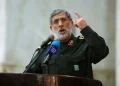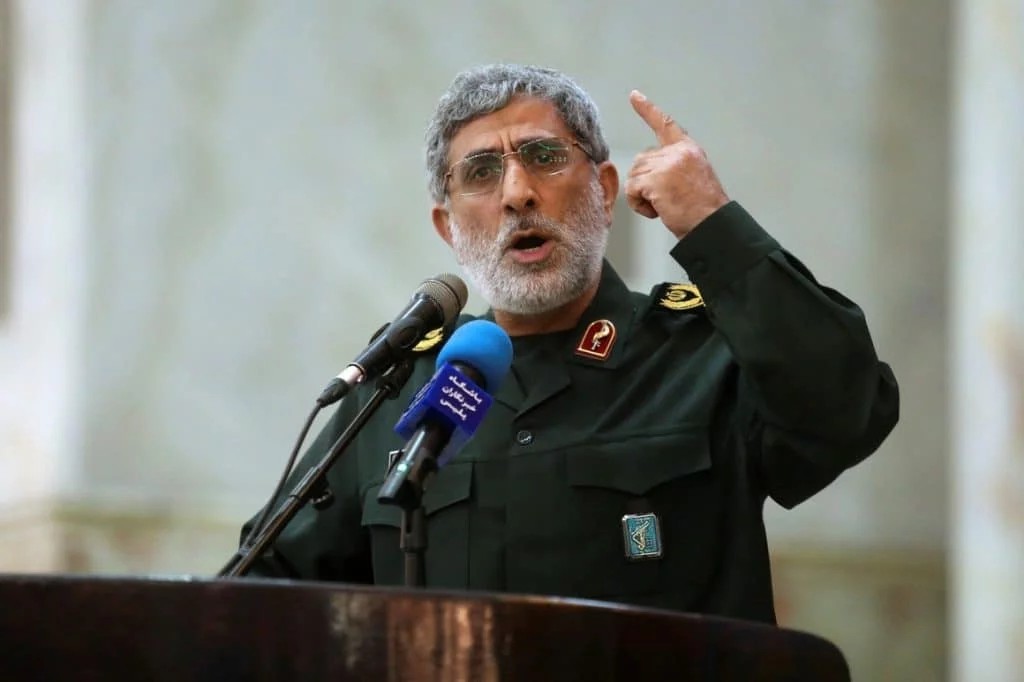
Tensions in the Middle East have taken another dramatic turn after Iranian military commander Esmail Qaani issued a defiant message promising “more surprises” following widespread reports of his death.
However, in a surprising development, Qaani re-emerged with a bold statement, dismissing the reports as false and signaling that Iran’s military capabilities remain intact. His vow of “more surprises” is widely interpreted as a warning that Tehran is preparing further strategic or military responses.
Qaani, who succeeded Qassem Soleimani after his assassination in 2020, has long been a key figure in coordinating Iran’s regional operations. His leadership of the Quds Force places him at the center of Iran’s influence across the Middle East, including its alliances with armed groups and proxy forces.
The latest episode underscores the growing role of information warfare in the conflict, where reports of assassinations and counter-claims have become increasingly common. In previous instances, Iranian authorities have denied similar claims about Qaani’s death, suggesting that such narratives may be part of psychological operations aimed at destabilizing Iran’s command structure.
Qaani’s statement also comes amid a broader escalation that has seen several high-profile Iranian figures reportedly killed in recent strikes, intensifying fears of a widening regional war. Analysts say his message is intended not only to reassure domestic audiences but also to project strength to adversaries.
As the situation continues to evolve, the credibility of battlefield claims remains difficult to verify. What is clear, however, is that both sides are engaged not only in military confrontation but also in a battle of narratives—one where perception can be as powerful as reality.
With Qaani now publicly defying reports of his death, attention will shift to what these promised “surprises” might entail—and whether they signal a new phase in an already volatile conflict.