USA Basketball has made a dominant start in the FIBA Women’s World Cup qualifiers held in Puerto Rico, cruising through their opening games with ease. Despite these convincing victories, however, some fans have begun to express concern—particularly supporters of Caitlin Clark. While the team’s overall performance has been impressive, a portion of the audience believes not everything is clicking smoothly on the court.
Clark made a strong impression in her national team debut, delivering an outstanding performance against Senegal with a double-double that included 17 points and 12 assists. In contrast, her outing in the following game against Puerto Rico appeared less impactful. She finished with eight points on limited shooting efficiency, which quickly sparked conversations among fans trying to understand the drop in production.
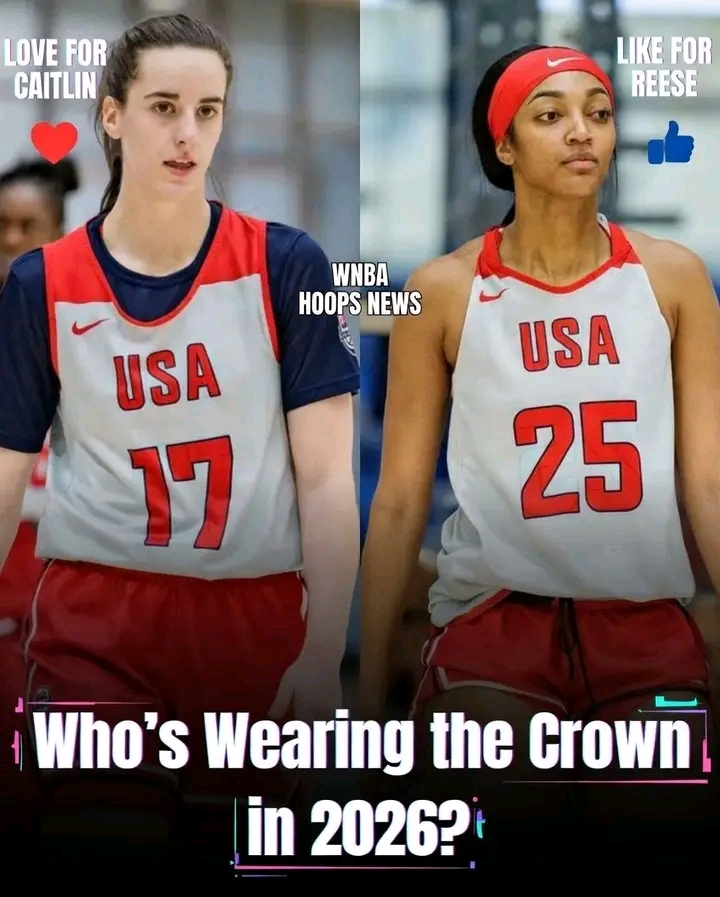
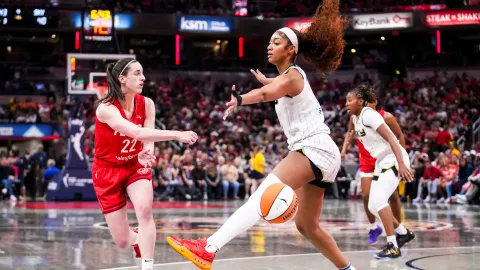
Attention soon shifted toward Angel Reese and her role within the team dynamic. Some viewers pointed to specific moments during the game where Reese seemed to control possession during transitions without involving Clark, leading to speculation about a lack of cohesion. Online discussions suggested that ball distribution felt uneven, with Clark often creating opportunities for teammates but not consistently receiving the same level of involvement in return.
That said, there are reasonable explanations for these in-game patterns. Reese has previously taken on expanded playmaking duties, particularly during her time in Chicago when injuries forced adjustments in the lineup. It’s likely that the coaching staff is experimenting with different tactical setups, allowing Reese to handle the ball more while positioning Clark off the ball to maximize her shooting ability. Such adjustments are common during qualifying stages as teams explore their most effective combinations.
Ultimately, there appears to be no real controversy within the squad. With one of the most talented rosters in the competition, Team USA is in a strong position to test various strategies without jeopardizing results. While fans may interpret certain sequences as tension or imbalance, these moments are more likely part of a broader effort to refine team chemistry ahead of tougher challenges.