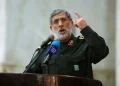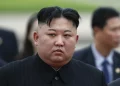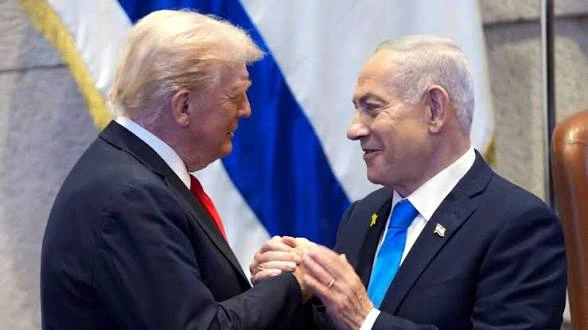
According to a report by The Times Of Israel on Tuesday, March 17, 2026, President Donald Trump proclaimed early success in U.S.-Israel operations in Iran, declaring, “We’ve won,” even as the strategic and economic fallout from the conflict continues to unfold. The strikes inflicted significant damage on Iranian targets, yet triggered widespread consequences, including higher oil prices and adjustments to international sanctions.
Domestically, the president has alternated between confident assertions of battlefield gains and tactical adjustments designed to mitigate economic disruption. Rising fuel costs have provoked public concern, prompting Democratic strategists to frame the conflict as evidence of Republican mismanagement. Meanwhile, Republicans emphasize decisive leadership and U.S. energy security objectives.
The White House continues to focus on reopening the Strait of Hormuz, where Iran’s attacks on infrastructure have disrupted global oil flows. Officials stress the importance of international cooperation to stabilize shipping lanes and ensure market predictability. The administration is also navigating the challenge of balancing military action with diplomatic outreach to hesitant allies.
As midterm elections approach, the war’s consequences extend beyond the battlefield. Markets, sanctions, and coalition-building efforts are intertwined with political stakes, forcing the administration to manage global pressures while addressing domestic expectations. Analysts suggest that how the White House handles energy markets, sanctions, and alliance coordination could shape public opinion and influence voter behavior in the coming months.