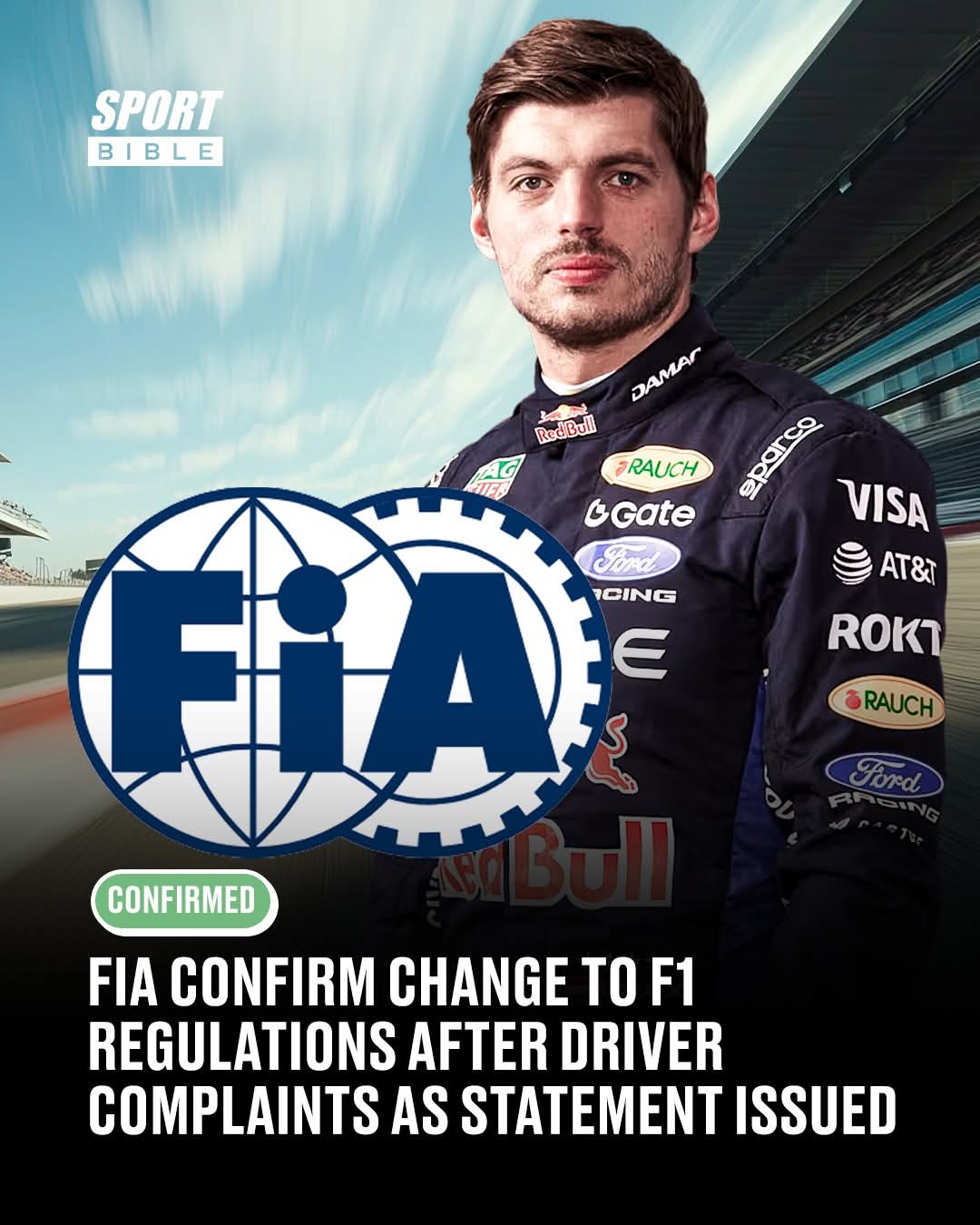
The FIA has officially confirmed fresh changes to Formula 1’s power unit regulations following months of criticism from drivers, teams, and fans over the controversial 2026 engine rules. The announcement comes after growing pressure from several stars on the grid, including Max Verstappen, Lando Norris, and Lewis Hamilton, who openly questioned the direction modern Formula 1 has taken under the new hybrid system.
The 2026 regulations introduced a dramatic shift in power distribution, splitting engine performance equally between internal combustion and electric energy deployment. While the FIA believed the move would improve sustainability and technological relevance, many drivers argued it created artificial racing conditions, unpredictable power delivery, and races that often felt disconnected from traditional Formula 1 driving. Verstappen was among the most outspoken critics, comparing the new generation of cars to “Formula E on steroids” and even likening some races to “Mario Kart” because of the aggressive energy harvesting and deployment behavior.
Ahead of the Miami Grand Prix, the FIA already implemented emergency refinements to the regulations after intense discussions with teams, power unit manufacturers, Formula One Management, and drivers. Those modifications focused mainly on safety and reducing excessive energy harvesting that had become a major concern during races. However, the governing body has now revealed that the Miami changes were only the beginning, with even bigger adjustments planned for the 2027 season.
In an official statement released after a high-level meeting involving all 11 teams and engine manufacturers including Mercedes, Ferrari, Audi, Honda, and Red Bull Powertrains, the FIA confirmed an agreement in principle to reshape the balance between combustion power and electrical deployment. The proposed changes would increase Internal Combustion Engine output by roughly 50kW while simultaneously reducing ERS deployment power by a similar amount. The goal is clear: restore more natural racing characteristics while reducing the extreme dependency on battery deployment that has frustrated drivers throughout the early stages of the 2026 season.
The FIA described the Miami adjustments as “a step in the right direction,” claiming that no major safety concerns emerged during the race weekend. Officials also confirmed that additional evaluations are ongoing, with further updates expected for future Grands Prix. Planned changes include improved wet-weather safety systems, revised start procedures, and enhanced visual signaling measures that could debut as early as the Canadian Grand Prix. The governing body stressed that driver feedback played a major role in shaping the proposed solutions, a detail many fans believe should have happened much earlier in the development cycle.
For teams like Ferrari, the announcement could be especially significant. Reports throughout the opening races of 2026 have suggested that Ferrari has struggled more than rivals Mercedes in maximizing energy deployment efficiency under the current rules. Drivers have repeatedly complained about inconsistent power delivery during overtaking battles and defensive situations, which has directly affected race strategy and wheel-to-wheel racing quality. Hamilton himself previously admitted drivers were not sufficiently involved in shaping the new era of regulations, and many now see the FIA’s latest move as an acknowledgment that the original system failed to fully deliver on expectations.
The timing of the announcement is also fascinating because it arrives amid rising criticism from fans who believe Formula 1 has drifted too far from its roots. Social media has been flooded with debates comparing the current racing product to previous V8 and V10 eras, where engine sound, raw aggression, and driver control defined the sport. FIA president Mohammed Ben Sulayem has already hinted that a return to V8 engines could eventually happen later this decade, further fueling speculation that Formula 1 is preparing for a major philosophical reset after the turbulence of the 2026 transition.
Looking ahead, these regulation changes could dramatically alter the competitive balance on the grid. Mercedes currently appears to have adapted better to the hybrid-heavy system, while teams like Ferrari and Red Bull continue searching for consistency. If the FIA succeeds in reducing the influence of electrical deployment, it could bring racing closer together again and place greater emphasis back on driver skill and mechanical performance rather than battery management. That scenario may particularly benefit aggressive racers like Verstappen and Hamilton, both of whom have publicly expressed frustration with the current direction of the sport.
The Canadian Grand Prix later this month will now carry even more importance, not just as the next championship battle, but as another test ground for Formula 1’s evolving future. With pressure mounting from fans, drivers, and manufacturers alike, the FIA faces a crucial challenge: balancing innovation and sustainability without sacrificing the excitement and identity that made Formula 1 the pinnacle of motorsport.