Former Central Bank Governor and Emir of Kano, Muhammadu Sanusi II, has opened up about how he reacted after losing power in public office, saying he remained calm and focused rather than panicking. Meanwhile, tensions in the Middle East continue to escalate as Iran has issued strong threats against Israeli Prime Minister Benjamin Netanyahu, vowing revenge amid an intensifying regional conflict.
The former banker emphasized that individuals who depend entirely on power often struggle when they lose it. He noted that a strong sense of purpose beyond politics or government roles can help leaders transition smoothly when circumstances change. Sanusi added that his faith and belief in destiny also played a key role in helping him maintain composure during difficult moments.
While Sanusi’s comments sparked conversations about leadership and resilience in Nigeria, events thousands of kilometers away in the Middle East have raised global alarm.
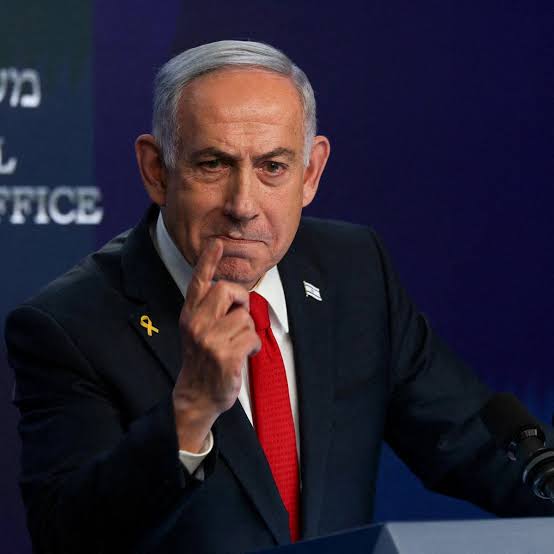
Iranian officials have issued a direct threat against Israeli leader Benjamin Netanyahu, warning that they would “pursue and kill” him if the opportunity arises. The threat comes amid escalating military confrontation between Israel and Iran following a series of attacks and counter-attacks in the region.
Iran’s military establishment accused Netanyahu of leading aggressive operations against Iranian targets and vowed that he would be held responsible. The threat is part of a broader war of words between Tehran and Jerusalem as both sides exchange missile strikes, drone attacks, and political accusations.
Netanyahu, for his part, has defended Israel’s military campaign, stating that the operations aim to weaken Iran’s leadership and military infrastructure. He also warned that Israeli forces would continue targeting groups allied with Tehran across the region.
Analysts say the situation marks one of the most dangerous periods of tension in the Middle East in recent years, with fears that the conflict could escalate into a wider regional war involving multiple countries.
As global attention remains fixed on the growing Iran–Israel crisis, Sanusi’s reflections on power and leadership serve as a reminder of a different kind of struggle—one centered on personal resilience and the ability to remain calm even when authority and influence are suddenly taken away.