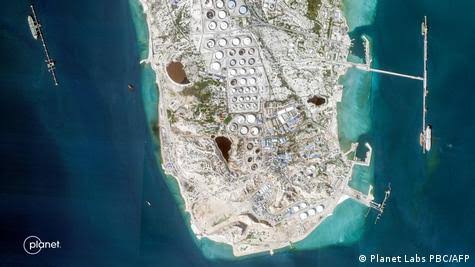
The United States embassy compound in Baghdad has reportedly been struck by missiles, marking a dramatic escalation in tensions across the Middle East as the confrontation between Washington and Tehran intensifies.
Footage circulating online showed smoke rising from the heavily fortified diplomatic zone in the Iraqi capital after the strike. Initial reports indicate that projectiles landed within or near the embassy compound, though the extent of damage and potential casualties remains unclear.
In a statement, Trump said U.S. forces had “totally obliterated every military target” on the island during what he described as one of the most powerful bombing raids in the region’s recent history. However, he emphasized that the island’s oil infrastructure was deliberately left intact, warning that it could become a target if Iran continues to disrupt shipping routes in the Strait of Hormuz.
Kharg Island is considered the backbone of Iran’s energy exports, handling the vast majority of the country’s crude shipments. Analysts say any major damage to its facilities could severely disrupt global oil markets and trigger sharp price increases worldwide.
Iranian officials condemned the U.S. strike and signaled the possibility of retaliation, raising fears that the conflict could spread further across the region. Military movements, threats against oil infrastructure, and disruptions to shipping lanes have already heightened concerns among international observers and energy markets.
The missile strike on the U.S. embassy in Baghdad is widely seen as part of the rapidly escalating cycle of action and retaliation. Security has been tightened around American facilities across Iraq and neighboring countries as Washington evaluates its response.
With both sides issuing strong warnings and military activity intensifying across the Persian Gulf, diplomats fear the situation could spiral into a broader regional conflict unless urgent efforts are made to de-escalate tensions.