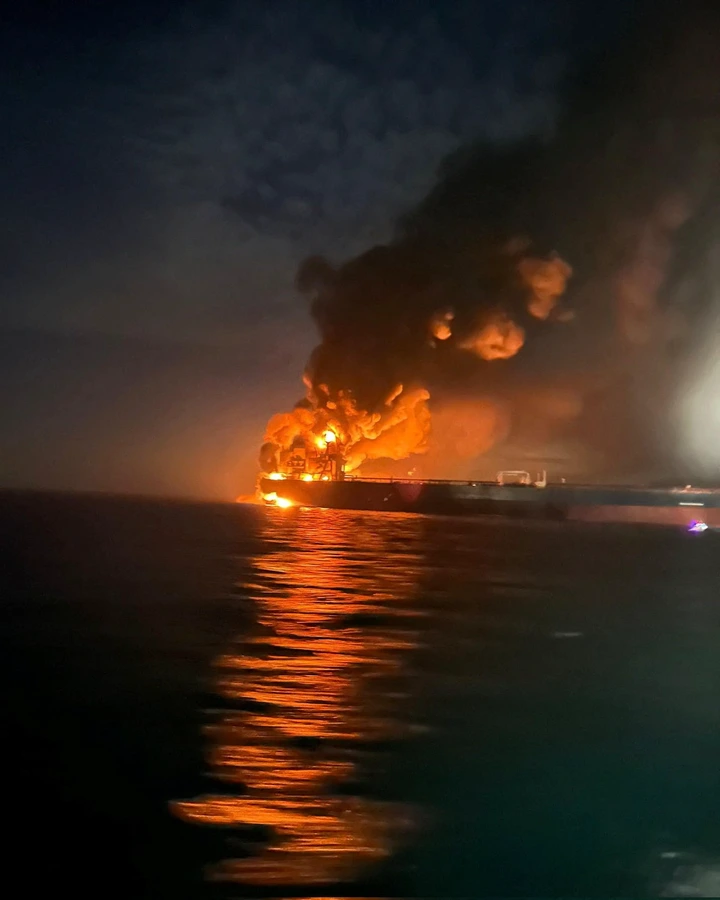
Tensions in the Persian Gulf have sharply escalated after an explosive boat believed to be operated by Iran’s Islamic Revolutionary Guard Corps (IRGC) struck a U.S.-linked oil tanker near the Iraqi port city of Basra, killing one crew member and injuring several others.
According to maritime security officials, the attack occurred late Tuesday night as the tanker was navigating shipping lanes in the northern part of the Persian Gulf. Initial reports indicate that a fast-moving unmanned or remotely piloted explosive boat rammed the side of the vessel before detonating, causing a powerful blast that tore through part of the tanker’s hull.
The tanker, reportedly connected to a U.S.-based energy shipping company, was carrying crude oil when the incident occurred. Crew members immediately initiated emergency protocols while nearby vessels and regional coast guards responded to distress signals. One crewman was confirmed dead, while multiple others were treated for burns and shrapnel injuries.
Security analysts say the attack bears hallmarks of tactics previously associated with Iran’s Islamic Revolutionary Guard Corps naval forces, which have been known to use explosive boats and drones in asymmetric maritime warfare. Although Iranian authorities have not officially claimed responsibility, regional intelligence sources suggest the strike may be part of a broader escalation amid rising hostilities between Iran and the United States and its allies.
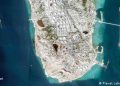
The location of the attack—near the strategic Iraqi port of Basra—has heightened concern among international shipping operators. Basra serves as Iraq’s primary oil export hub, and disruptions in nearby waters could threaten global energy shipments moving through the northern Gulf.
In response to the incident, U.S. naval forces operating in the region under the command of the United States Navy increased patrols around key maritime routes. Military officials said additional surveillance aircraft and escort vessels have been deployed to monitor potential threats to commercial shipping.
Energy markets reacted quickly to the news, with oil prices climbing amid fears that further attacks could endanger tankers traveling through critical shipping corridors. The Persian Gulf remains one of the world’s most vital routes for oil transportation.
Regional governments have also expressed alarm, warning that continued attacks on civilian vessels could push the Middle East closer to a broader conflict. Diplomatic channels are reportedly working behind the scenes to prevent further escalation.
For now, the damaged tanker has been stabilized and is being escorted toward safer waters, while investigators work to determine the exact nature of the explosive device used in the attack.
With tensions already high across the region, the deadly strike near Basra has added yet another flashpoint in an increasingly volatile Gulf security landscape.