In a dramatic escalation of the Middle East conflict, Iran’s decision to unleash waves of missiles and drones across the region may have been intended as a show of strength. Instead, it has produced the opposite effect—isolating Tehran diplomatically and pushing many nations, including some that traditionally maintained neutrality, toward a unified stance against the Iranian government.
A Massive Missile Campaign
Following joint U.S. and Israeli strikes on Iranian military infrastructure, Tehran responded with one of the largest missile and drone offensives in recent regional history. Iranian forces reportedly launched hundreds of ballistic missiles and drones not only toward Israel but also toward Gulf states hosting Western military assets.
The United Arab Emirates alone reported nearly two hundred ballistic missiles and hundreds of drones targeting its territory within days of the escalation. While many were intercepted, some debris caused damage in major cities and left several people dead and more than a hundred injured.
Iranian officials framed the strikes as legitimate retaliation against what they described as “aggression” from the United States and Israel. Yet the breadth of the attacks—spanning multiple countries—immediately triggered global alarm.
Regional Allies Turn Against Tehran
One of Tehran’s biggest miscalculations appears to have been the geographic spread of its retaliation. By striking or threatening countries beyond Israel, Iran provoked anger across the Gulf.
Governments in the UAE, Bahrain, Kuwait, and Saudi Arabia condemned the attacks as violations of sovereignty and international law. Some states took extraordinary diplomatic measures, including recalling ambassadors and shutting down embassies in Tehran.
Even nations that have historically attempted to balance relations with Iran found themselves forced to respond to the missile barrage. Azerbaijan accused Tehran of launching drone strikes against its territory and vowed it reserved the right to retaliate.
Instead of dividing regional governments, the attacks effectively aligned them in opposition to Tehran’s actions.
International Condemnation
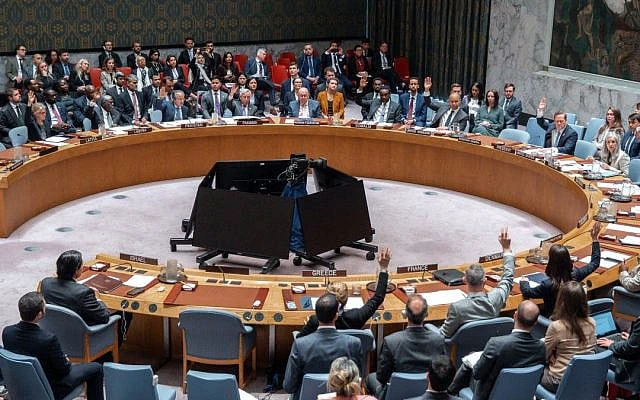
Global institutions also reacted strongly. The United Nations Security Council moved quickly to condemn Iran’s attacks in a resolution supported by more than 130 member states.
The resolution demanded that Iran halt its attacks and cease support for armed proxy groups targeting civilian infrastructure across the region.
Human rights organizations also criticized Iran’s use of cluster munitions in urban areas, warning that such weapons pose long-term risks to civilians because unexploded bomblets can remain deadly for years.
For many governments, the scale and nature of Iran’s response shifted global perception—from a regional dispute to a broader threat to international stability.
Strategic Isolation
For years, Tehran has relied on a combination of regional proxies, missile capabilities, and diplomatic balancing to avoid complete international isolation. But the latest missile campaign appears to have disrupted that strategy.
Countries that previously criticized U.S. and Israeli actions against Iran simultaneously condemned Tehran’s retaliatory strikes, signaling a rare moment of global alignment on the issue.
Analysts argue that Iran’s leadership may have believed overwhelming military force would deter its enemies and demonstrate power. Instead, it strengthened the political case for a wider coalition opposing Iranian military expansion.
A Turning Point in the Conflict
The missile attacks may ultimately be remembered as a strategic turning point. Rather than weakening its adversaries, Tehran’s response broadened the conflict and rallied international actors who might otherwise have remained on the sidelines.
Whether Iran adjusts its strategy or doubles down on military escalation will likely determine the next phase of the crisis. But one thing is already clear: what Tehran intended as a show of defiance has instead galvanized much of the world against it.