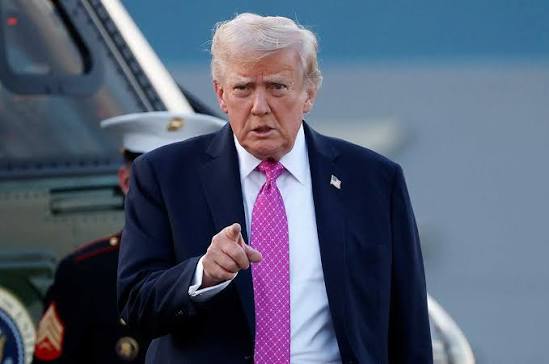
Former U.S. President Donald Trump has once again sparked global political debate after declaring that his leadership philosophy is centered on ending wars rather than starting them. Speaking during a campaign-style appearance, Trump insisted that if he returns to power, his priority would be restoring peace and preventing new global conflicts.
“I am not going to start a war. I am going to stop wars,” Trump said firmly while addressing supporters. “I am peace.”
The statement comes at a time when international tensions remain high across several regions, including the Middle East and Eastern Europe. Trump argued that strong leadership and diplomatic pressure could bring an end to ongoing conflicts and reduce the risk of new ones.
During his remarks, the former president criticized current U.S. foreign policy, suggesting that weak leadership has allowed global tensions to escalate. According to Trump, his approach during his time in office kept adversaries cautious and helped prevent major wars from breaking out.
Trump supporters have praised the remarks, saying his administration prioritized negotiations and deterrence over prolonged military involvement. They often point to diplomatic engagements such as talks with Kim Jong Un of North Korea and efforts to reshape Middle East relations as examples of his unconventional approach to international diplomacy.
However, critics argue that Trump’s foreign policy style often heightened tensions and created uncertainty among allies. Some analysts say his rhetoric could be unpredictable and occasionally escalated diplomatic disputes even if it did not lead to large-scale wars.
Political observers believe the latest statement is part of Trump’s broader message aimed at presenting himself as a leader capable of restoring stability in a turbulent global environment. As geopolitical crises continue to dominate headlines, questions about the role of the United States Government in global conflicts are likely to remain central to political debate.
Whether Trump’s message resonates widely with voters remains to be seen, but his declaration that he intends to “stop wars” rather than start them has already reignited discussion about America’s future foreign policy direction.