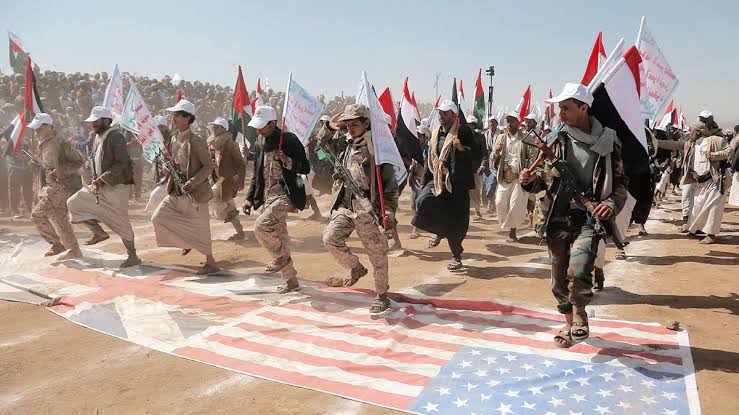
Tensions across the Middle East are intensifying as Iran’s final line of regional resistance remains on standby, while Yemen’s Houthi movement signals it could enter the widening conflict at any moment.
Despite escalating attacks between Iran and its adversaries, the Iran-backed Houthi movement has so far refrained from direct military intervention. Analysts say the group is acting as a strategic “last line of resistance,” holding back while monitoring how the war develops.
However, the group’s leadership has issued a stark warning that its fighters are fully prepared to join the conflict if circumstances demand it. Houthi leader Abdul-Malik al-Houthi recently declared that the movement’s forces have their “fingers on the trigger,” emphasizing that they are ready to respond militarily should the situation escalate further.
The statement comes as the broader regional confrontation deepens. The ongoing war involving Iran, Israel, and allied forces has already triggered missile strikes, drone attacks, and rising civilian casualties across several countries in the Middle East.
The Houthis are part of what Tehran calls the “Axis of Resistance,” a network of allied groups that includes militant organizations and regional militias aligned with Iran’s strategic goals. This alliance has historically allowed Iran to project influence across the region through proxy forces in places such as Lebanon, Iraq, Gaza, and Yemen.
Experts say the Houthis’ hesitation to immediately enter the war may be deliberate. Some analysts believe Iran and its allies may want to preserve the Yemeni movement as a strategic reserve force capable of opening a new front if the conflict worsens.
At the same time, Houthi rhetoric has grown increasingly aggressive. The group has warned that it could launch attacks against U.S. or Israeli interests if military operations against Iran continue.
Security analysts caution that if the Houthis do intervene, the conflict could expand dramatically, potentially threatening shipping routes in the Red Sea and drawing additional Gulf states into the war.
For now, the group remains on standby — but its warning signals that the Middle East crisis could still escalate into a broader regional confrontation at any moment.